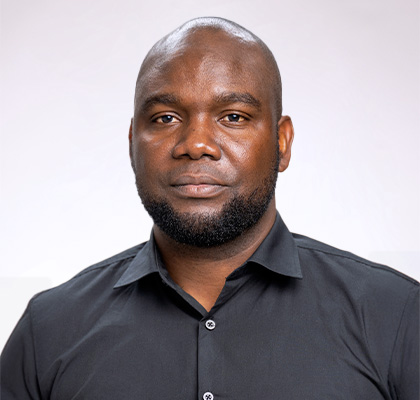
Chair

The Economics program at UW–River Falls teaches you to read the world through data, debate, and decision-making — skills that travel into business, law, government, and graduate school.
01What is Economics?
— A working definition
The study of how people, businesses, and governments make choices when resources are scarce — and how those choices ripple into wages, prices, policy, and everyday life.
— FoundationA toolkit for thinking clearly about the questions that actually matter: inflation, inequality, healthcare, climate, work.
— Application"Why does coffee cost $6 downtown but $2 on campus?" Economics gives you a way to answer that — and a way to answer harder questions, too.
— In practice02Why study Economics?
We could give you ten. Honestly, these are the three that come up every time a senior tells us why they're glad they picked this major. Read them. Then come argue with us about them.
Inflation, taxes, healthcare, climate policy, wage gaps — the issues shaping your future are economic. Studying econ means understanding the rules of the room you're walking into.
— FoundationEconomic reasoning, statistical analysis, modeling trade-offs. Employers and grad schools read "economics major" as shorthand for: this person can think.
— SkillsBusiness, law, government, nonprofits, journalism, tech. Econ is one of the most flexible majors you can pick — a launchpad, not a label.
— Optionality03What can you do with it?
The American Economic Association tracks econ alumni into business, law, government, nonprofits, international relations, and academia — with strong, stable demand and median pay among the highest of any social science.
Median annual earnings for U.S. economists in 2024, per the Bureau of Labor Statistics — cited by the American Economic Association.
You won't all become "economists." You'll be analysts, advisors, founders, attorneys, civil servants. Econ is the credential that gets you in the door.
Source · BLS / AEA, 202404Who teaches you
UWRF Economics is a small department on purpose. You'll be in seminar rooms, not lecture halls. By junior year, faculty know your work, your goals, and what you're aiming at next.


05How to proceed
We'd rather you ask hard questions now than wonder later. Send a note — a real faculty member will write back, usually the same day.